
What medications may some day be used to treat and prevent preeclampsia?
Systematic evaluation of the pre-eclampsia drugs, dietary supplements and biologicals pipeline using target product profiles
Much of the focus of the preeclampsia research field span across these four categories: “prediction”, “prevention”, “treatments”, and “outcomes” from preeclampsia (short- and long-term morbidity and mortality). The highest risk/reward research, but arguably the most difficult, is in the prevention and treatment categories. Right now, low-dose aspirin is the most common medication consistently recommended to lower risk for preeclampsia. There is a lack of any other medications/therapeutics on the market approved to prevent or cure preeclampsia once it develops. (It is important to note that magnesium sulfate is highly effective and approved for preventing and treating eclamptic seizures. It does not, however, halt the progression of the high blood pressure which characterizes preeclamspia.)
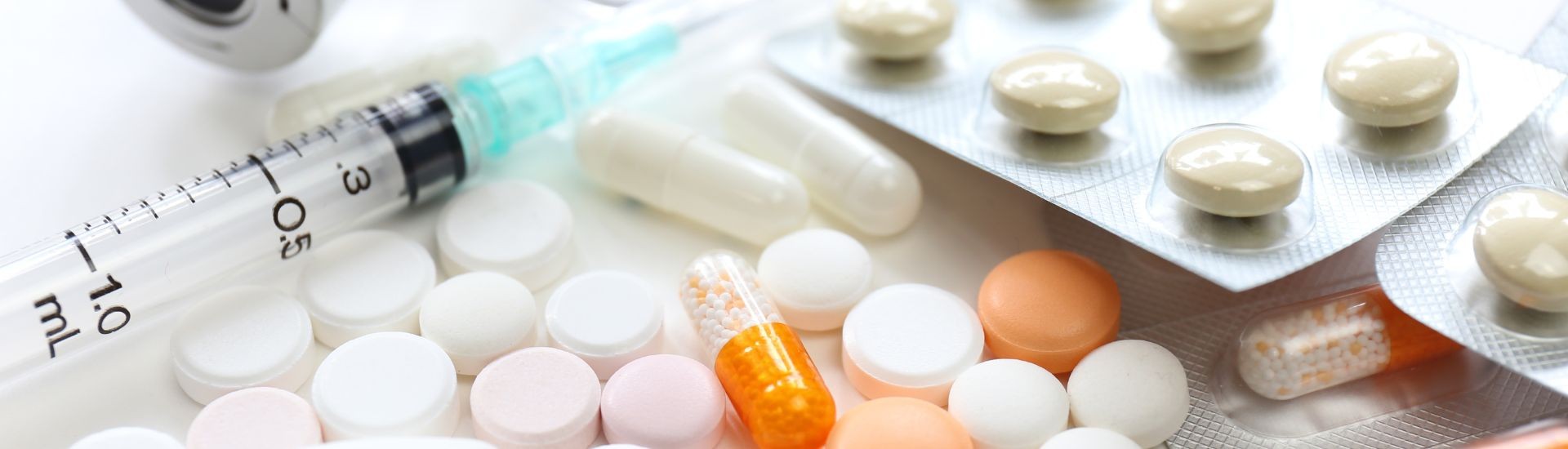
Research is being done to make a medicine that can cure preeclampsia a reality. In this article, researchers asked: what are the candidate medicines being studied currently to prevent or treatment preeclampsia? After an extensive review of the literature and clinical trial databases, researchers of this article identified 87 candidate medicines in clinical development. Within that list, researchers classified 7 as “high potential” and 8 as “medium potential”. Some of the candidate medicines for preventing preeclampsia listed include: esomeprazole, L-arginine, vitamin D, metformin, probiotic lactobacilli, selenium. Some of the candidate medicines listed for treatment of preeclampsia included: sulfasalazine, metformin, pravastatin, and omega-3 fatty acid.
Take home message: Research that puts together all of the current research in one place is helpful to set the direction for new studies and research funding. Gathering information on all the potential preeclampsia treatments or preventions in one article, to report and evaluate what has been done so far, helps move the research & development field for preeclampsia medicines forward.
Link: https://rdcu.be/cYYyS
Citation: McDougall ARA, Hastie R, Goldstein M, Tuttle A, Tong S, Ammerdorffer A, Gülmezoglu AM, Vogel JP. Systematic evaluation of the pre-eclampsia drugs, dietary supplements and biologicals pipeline using target product profiles. BMC Med. 2022 Nov 4;20(1):393. doi: 10.1186/s12916-022-02582-z. PMID: 36329468; PMCID: PMC9635102.
About Research Roundup
Each quarter, our team of researchers reviews the most current studies related to hypertensive disorders of pregnancy and selects those studies they feel will be of greatest interest to our community to summarize.
Special thanks to our volunteer research team, who under the leadership of Dr. Elizabeth Sutton, make Research Roundup possible: Alisse Hauspurg, MD Felicia LeMoine, and MD Jenny Sones, PhD, DVM.

Related Articles
1785353792.png)
Preeclampsia is a serious complication of pregnancy that can affect a woman’s health beyond pregnancy. For a long time, it has been clear that women who experience preeclampsia have a greater ch...
1785337209.png)
Black women in the United States experience preeclampsia more often and are more likely to experience severe complications from it than White women. Traditional risk factors, such as high blood pressu...
1785336951.png)
High blood pressure disorders during pregnancy, including preeclampsia and gestational hypertension, are common complications that affect approximately 5–10% of pregnancies. Although these condi...
1785336695.png)
Preeclampsia is a serious pregnancy complication that causes high blood pressure and can harm organs like the kidneys, liver, and brain. It affects thousands of pregnancies every year and remains one...

Hypertensive disorders of pregnancy, such as high blood pressure during pregnancy, are a major cause of illness and death for mothers. It is important to find women who are at risk as early as possibl...