
17775664111785271449.png)
Preeclampsia Foundation Launches Patient-Informed Social Media Toolkit to Support National Aspirin Study
The Preeclampsia Foundation recently launched of a new patient-informed social media toolkit to help participating research sites educate patients and healthcare providers about low-dose aspirin for the prevention of hypertensive disorders of pregnancy (HDP) and support awareness of the national Aspirin Study.
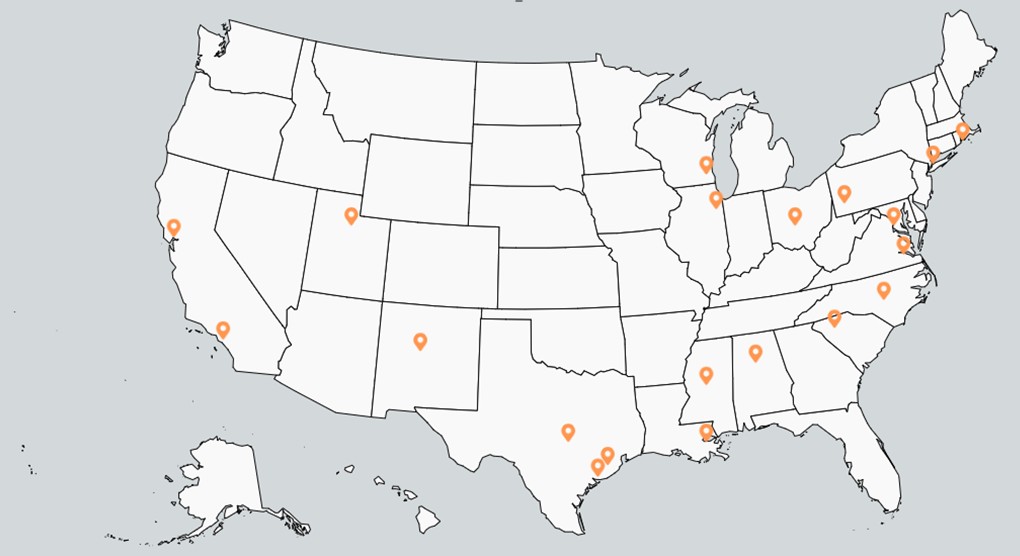
The toolkit builds on a landmark five-year research study “Comparative Effectiveness of Two Aspirin Doses for Prevention of Hypertensive Disorders of Pregnancy: Aspirin Study ” led by The Ohio State University Wexner Medical Center and Northwestern University Feinberg School of Medicine in partnership with the Preeclampsia Foundation. Funded by the Patient-Centered Outcomes Research Institute (PCORI), the study is enrolling more than 10,000 pregnant patients at 16 research sites across the United States to compare two commonly used aspirin doses (81 mg and 162 mg) for preventing HDP, including preeclampsia.
"For decades, research was often conducted on patients rather than with patients," said Preeclampsia Foundation Chief Executive Officer Eleni Tsigas. "In this national aspirin study, people with lived experience have a seat at the table from the earliest planning discussions through sharing the findings with the broader community. That partnership leads to better science, more meaningful outcomes, and ultimately better care."
Since the study’s inception, the Preeclampsia Foundation has served on its Steering Committee, gathered feedback from survivors to review study materials, and advised on communications for participants. This ongoing collaboration ensures the research reflects the real-world priorities and experiences of patients and families.
"The Preeclampsia Foundation has been an exceptional partner in the Aspirin Study," said Maged Costantine, MD, MBA, Division Director of Maternal Fetal Medicine at The Ohio State University Wexner Medical Center and Principal Investigator of the Aspirin Study. "Their contributions, from serving on our Steering Committee to helping shape participant communications, have helped ensure patient perspectives remain central throughout the study. That partnership makes our research stronger and more meaningful for the families we serve."
PCORI-funded studies emphasized the inclusion of patient voices throughout the design, implementation, analysis, and dissemination of the research study. The results of this study will help guide the recommended aspirin dosage for the prevention of preeclampsia.
"That same commitment to include the patient perspective guided the development of the social media toolkit. By incorporating patient perspectives alongside clinical expertise, we've created resources that help healthcare providers and families have informed conversations about aspirin use and preeclampsia prevention," shared Danielle Babcock Sapienza, Preeclampsia Foundation Education and Support Manager.
High blood pressure in pregnancy affects about 1 in 12 pregnancies in the U.S., and rates are rising. Even though experts recommend low-dose aspirin for those at risk, many patients miss out or start too late.
To help address this gap, the Preeclampsia Foundation created a comprehensive social media toolkit featuring 19 educational posts with customized captions for Facebook, LinkedIn, Instagram, and X. The materials are designed for multiple audiences, including patients, partners and spouses, healthcare providers, community health workers, and clinic administrators. Graphics include customizable space for participating organizations to add their own logos while identifying the Preeclampsia Foundation as the educational source.
The resources were co-designed with input from the Preeclampsia Foundation's Medical Advisory Board, Patient Advisory Council, and participating study sites to ensure they reflect both the latest scientific evidence and the real-world experiences of families affected by hypertensive disorders of pregnancy.
The campaign encourages early conversations between patients and providers about low-dose aspirin, reinforces that it is a safe, low-cost, evidence-based intervention for many at-risk pregnancies, and promotes consistent screening and counseling across participating clinical sites. While the primary goal is education and awareness, the campaign also supports greater understanding of aspirin and, in turn, helps build trust in research participation in the Aspirin Study.
Study investigators are encouraging participating sites to customize and share the toolkit throughout their communities, helping expand awareness of preeclampsia prevention and improve timely implementation of evidence-based care.
The toolkit is one example of the Foundation's broader role in ensuring that patient perspectives remain central throughout the study. In addition to developing educational resources, the Foundation convened survivors of preeclampsia and other hypertensive disorders of pregnancy to review participant-facing materials, helping researchers refine study communications to reflect the experiences, questions, and concerns of pregnant patients. This early and ongoing engagement is a hallmark of patient-centered outcomes research and helps ensure studies are designed with, not simply for, the communities they serve.
The Foundation's involvement will continue throughout the five-year study. As a member of the Steering Committee, they will help review study progress, advise on participant engagement, and collaborate with investigators to communicate findings to patients, clinicians, and the broader maternal health community once the trial is complete.
By combining rigorous clinical science with meaningful patient engagement, the study seeks to establish the clearest evidence to date on the optimal aspirin dosage for preventing hypertensive disorders of pregnancy. The Preeclampsia Foundation will continue working alongside investigators throughout the study to ensure that patient and family voices remain central, from study design through dissemination of findings.
Low-dose aspirin may delay or prevent the onset of preeclampsia. To learn who should consider taking aspirin and what to ask your healthcare provider, visit https://preeclampsia.org/aspirin.
The Aspirin Study is enrolling more than 10,000 pregnant patients at 16 research sites across the United States to compare two commonly used aspirin doses (81 mg and 162 mg) for preventing HDP, including preeclampsia. To learn more about the study or to enroll, visit https://aspirinstudy.com.

Related Articles
1790687905.png)
The Preeclampsia Foundation announced today the launch of two new educational videos designed to help patients, families, and healthcare providers navigate recovery after high blood pressure during or...

The Preeclampsia Foundation today announced Hena Patel, MD, and Sarah E. Harkins, PhD, RN, as recipients of its 2027 Vision Grants. These highly competitive monetary awards of $20,000 each recognize p...
1782837428.png)
Preeclampsia survivors and their supporters from across the United States and Canada will hit the pavement on Saturday, October 17th, 2026, as part of the seventh annual Promise Walk Wherever virtual...

Preeclampsia Foundation champions access to biomarker testing for high-risk mothers covered by Medicaid WASHINGTON – May 29, 2026 –The Preeclampsia Foundation announced today the introdu...
1778518052.png)
The Preeclampsia Foundation today announced a new collaboration with Epic, the nation's leading electronic health record system, to deliver educational resources about preeclampsia directly to the MyC...