

Preeclampsia-associated cardiovascular risk factors 6 months and 2 years after pregnancy
There is an increased cardiovascular risk after a pregnant woman has preeclampsia. Previous research found that there are signs of early cardiovascular aging when a woman is six months postpartum. This study looked at women when they were six months postpartum and again two years postpartum to look at their cardiovascular measures and ongoing risk factors.
This study found that women who had preeclampsia had higher blood pressure and were more likely to have signs of future cardiovascular problems compared to women who didn't have preeclampsia during pregnancy. The women who had preeclampsia also had a higher body mass index and insulin resistance, which also increased their future cardiovascular risk.
Take Home Message: The study suggests that doctors should keep a close eye on these women even after their pregnancy is over to help prevent cardiovascular diseases and other complications. Women who experienced preeclampsia can talk to their doctors about steps they can take to reduce their cardiovascular risks.
Link: https://www.ahajournals.org/doi/full/10.1161/HYPERTENSIONAHA.123.21890
Citation: Henry, A., Mangos, G., Roberts, L. M., Brown, M. A., Pettit, F., O’Sullivan, A. J., Crowley, R., Youssef, G., & Davis, G. K. (2024). Preeclampsia-associated cardiovascular risk factors 6 months and 2 years after pregnancy: The P4 study. Hypertension, 81(4), 851–860. https://doi.org/10.1161/hypertensionaha.123.21890

Related Articles

Your story is needed to improve outcomes for moms like you. Add your voice to critical preeclampsia research to ensure that every story is heard.


Frequently asked questions about the Preeclampsia Registry, a patient-driven registry and biobank.

The Preeclampsia Foundation offers research funding, study recruitment, and other patient engagement services to researchers.

We provide research grant funding to advance progress towards detection, prevention, or treatment of preeclampsia, HELLP syndrome, and other hypertensive disorders of pregnancy.
1777566412.png)
Placental dysfunction can result in conditions such as preeclampsia, which have traditionally been managed with close monitoring and appropriately timed delivery. There is currently no cure for preecl...
1777563523.png)
Gestational hypertension continues to be a growing public health concern contributing to maternal morbidity, mortality, and long-term health complications in the U.S. While changes in vision—suc...
1777562643.png)
Background Low-dose aspirin (81 mg) is a treatment known to help lower the risk of preeclampsia. However, not everyone who is at higher risk is told to take it. This study looks at whether a screening...
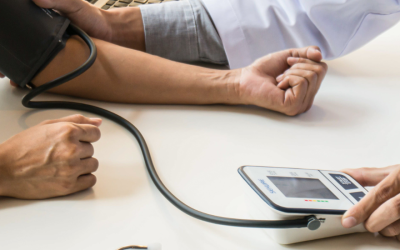
Women who experienced Preeclampsia have a higher lifetime risk of developing cardiovascular disease (CVD) than women who did not suffer from this pregnancy complication. Researchers wanted to know if...

Preeclampsia Foundation and Preeclampsia Foundation Canada announced that applications are now being accepted for the 2026 Vision Grant research funding program. Three of the four grants focus on heal...