

Preeclampsia, Icu and Me
June 15, 2026 By Kirsty Shenton
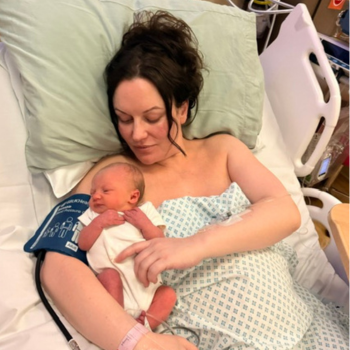
I’d heard of preeclampsia, but never really paid it much attention, ignorantly assuming it was only high blood pressure; how very wrong I was. Eclampsia, or Severe preeclampsia, is multiple-organ failure affecting around 1% of pregnancies, and more alarmingly, killing a mother every 12 minutes. During my journey, I desperately wanted to talk to someone else who had experienced a similar situation and seek assurance that things would slowly but surely improve. It’s with this in mind that I want to share my story for anyone else who finds themselves in a similar position.
My pregnancy was difficult, starting off with appendicitis at week 6, followed by numerous admissions due to HG, which required IV’s every other day. I then developed gestational diabetes, controlled by insulin and metformin. Next was the immense swelling, which I kept being told was ‘normal’ for pregnancy. I couldn’t fit in any shoes, I couldn’t fit in my husband's shoes, I couldn’t walk unaided, nor shower or move, as the edema in my limbs had reached such a point it looked like my legs might burst. I then received the news I was dreading: Preeclampsia at 36 weeks. The consultant and two doctors warned of their concerns for fluid on the brain, organ failure, including my liver and kidneys, due to the systemic pressure my body was under. They warned of the risk of stroke, cardiac failure and seizures.
An emergency C-section under a general anaesthetic was implemented in order to save both my life and my babies' lives. I had clonus, which meant my body was uncontrollably shaking due to my central nervous system being under immense stress. My fluid intake was restricted to avoid my body overloading with fluid; for 2 months after birth, I couldn’t lie flat due to the fluid on my lungs; I simply felt like I was drowning. I was started immediately on a magnesium sulphate drip, which continued for my 3-day stay in intensive care. It made me feel like I had sunstroke, but it was essential to try and stabilise myself, prevent seizures and protect my baby's brain. My husband asked, “Who is the magnesium for, Kirsty or the baby?” which was met swiftly and empathetically by “it’s for both of them”. The next 24 hours were a frantic and terrifying blur; at one point, there were so many doctors, nurses and midwives in the large room that they could hardly fit. This continued postpartum, and a photograph was taken as I passed a blood clot the size of my fist.
After hours of NIL by mouth and my body turning floppy, crying in terror and uncontrollable movements of my limbs, I then experienced a diabetic hypo with my blood sugars reaching 3. I turned to my husband and told him, ‘Look after her if I'm not here, tell her I love her’. Moments later, I was rushed to the theatre for my emergency C-section. I truly felt like I was going to die. My surgery took much longer than anticipated as my daughter was wedged in my birth canal, requiring forceps to help her out. Due to the CPA (a medication of morphine and fentanyl), I vomited all night, my body limp and propped up by the caring midwife and my unwavering husband. It would be 10 days until I could independently hold my baby for the first time. My husband recently told me that when I was diagnosed, I kept repeating the word ‘preeclampsia ’ over and over as the mental distress was all-consuming. He also told me he truly thought he would be leaving the hospital alone that day.
Two weeks post partum I returned to the hospital as my blood pressure was dangerously high at 200/120 on the ward. During my postpartum period, I felt incredibly isolated, not knowing anyone with any similar experience, only a handful of women who had experienced mild preeclampsia. People who have severe pre-eclampsia or eclampsia are 6 times more likely to have a stroke, 5 times more likely to have kidney failure and 4 times more likely to have heart disease. Reading other people's stories offered me so much hope when the days were darkest.
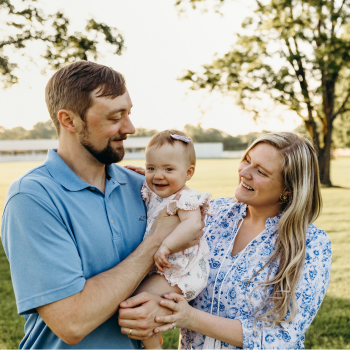
This is my preeclampsia story. And it is a hard one. But it is mine.
ReadMore
- Hellp Us! July 03, 2026
- L&D Nurse: Wrong Side Of the Bed Rails July 03, 2026
- Our Hellp Syndrome Story: Advocating For Two July 03, 2026
- Early Baby July 03, 2026
- Amazing Team Of People July 02, 2026
- Nobody Told Me How Sick I Was June 20, 2026
- My Story With Hellp Syndrome June 15, 2026
- My Why June 15, 2026
- Eclampsia Survivor Nyla June 15, 2026
- Snehil, A Preeclampsia Journey June 10, 2026