
I Almost Ignored the Warning Signs: My Postpartum Preeclampsia Story
October 29, 2026 By Garneicia West
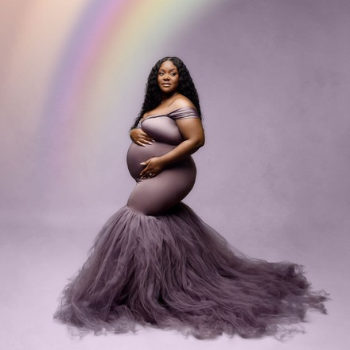
I want to share my experience with postpartum preeclampsia because I truly believe more women need to know how serious this condition can be, even after giving birth.
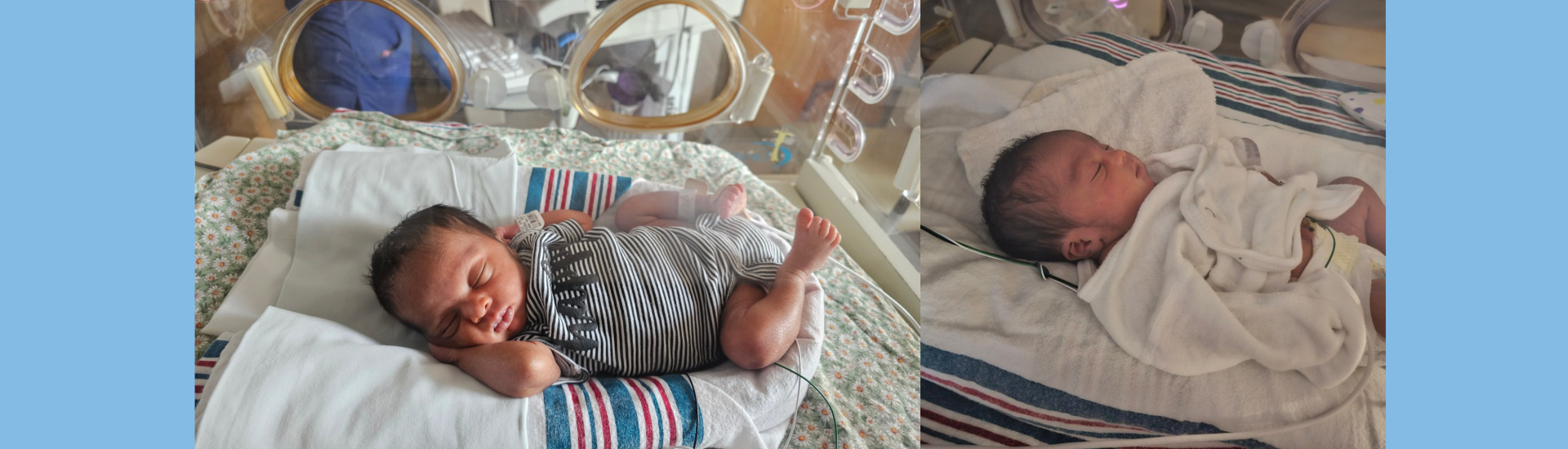
I delivered my daughter prematurely at 34 weeks. Before delivery, I had already started experiencing significant swelling. However, before being discharged from the hospital, I noticed that the swelling in the lower half of my body had become severe. I brought my concerns to my nurse, but I was told that it was normal after delivery. So, like many new mothers, I trusted what I was told and went home.
At my postpartum follow-up appointment, my blood pressure was higher than normal. I was instructed to monitor it at home and go to the emergency department if my readings became elevated.
For the next few days, I checked my blood pressure as instructed. Then Sunday came. I remember almost deciding not to check it that day, but something told me to grab that blood pressure cuff.
My blood pressure was 179/110.
I immediately knew something was wrong and that I needed medical attention. But here's the part that made everything even more difficult: my newborn daughter had just come home from the NICU three days earlier.
I went upstairs, packed a small overnight bag, and told my husband that I really thought I needed to go to the hospital. With no one available to help us with our newborn, I made the decision to drive myself.
That was a terrible decision, and one I would never recommend to anyone.
As I started driving, I began experiencing dizziness and blurred vision. By the time I reached the emergency department, my blood pressure had climbed to approximately 200 systolic.
Everything happened quickly after that. The medical team immediately began treating my dangerously elevated blood pressure. I was eventually transferred back to labor and delivery, where I spent another three to four days hospitalized and receiving a magnesium drip to help prevent seizures.
It was one of the scariest experiences of my life.
What made it even more frightening was that I work in the medical field. I understood the potential complications of dangerously high blood pressure, including seizures, stroke, and even death. I couldn't stop thinking about what might have happened if I hadn't checked my blood pressure that Sunday, if I had decided to go to sleep, or if I had waited just a little longer.
I had just delivered my baby prematurely, finally had her home, and was supposed to be enjoying those precious newborn moments. Instead, I found myself back in the hospital, scared and wondering what could happen next.
I'm sharing my story because giving birth does not mean you're automatically out of danger. Postpartum preeclampsia can develop after delivery, even when you think the hardest part is behind you.
Please pay attention to your body. Don't dismiss severe swelling, headaches, vision changes, dizziness, or elevated blood pressure. Speak up when something doesn't feel right, and continue advocating for yourself even when you're told something is normal.
And please, if you're experiencing severe symptoms, don't attempt to drive yourself like I did. Seek emergency medical assistance.
I'm incredibly grateful that something told me to check my blood pressure that Sunday. I'm grateful I listened to that feeling, and I'm grateful I made it to the hospital in time.
My message to every mother is simple: Take care of yourself, too. Your baby needs you, and your health matters just as much.
Sometimes the warning signs are there. We just have to recognize them and take action.
We didn't think we were going to be parents. After six years of hoping and four years of waiting to adopt, we got a...
ReadMore- Shelby’s Story – A Mother Lost Just 10 Days After Giving Birth October 28, 2026
- My First Battle With Preeclampsia October 28, 2026
- Divine Protection October 28, 2026
- My Baby Who I Named After My Dad October 28, 2026
- Hellp Postpartum October 28, 2026
- The World's Slowest Marathon October 15, 2026
- Maia’s Birth Story October 10, 2026
- The Appointment That Changed Everything October 10, 2026
- I Had No Clue What Eclampsia & Hellp Syndrome Were September 25, 2026
- Why I Walk September 25, 2026