
Through Preeclampsia, Three Times
April 23, 2026 By Caitlin D.
I have experienced preeclampsia three times—2020, 2023, and 2025.
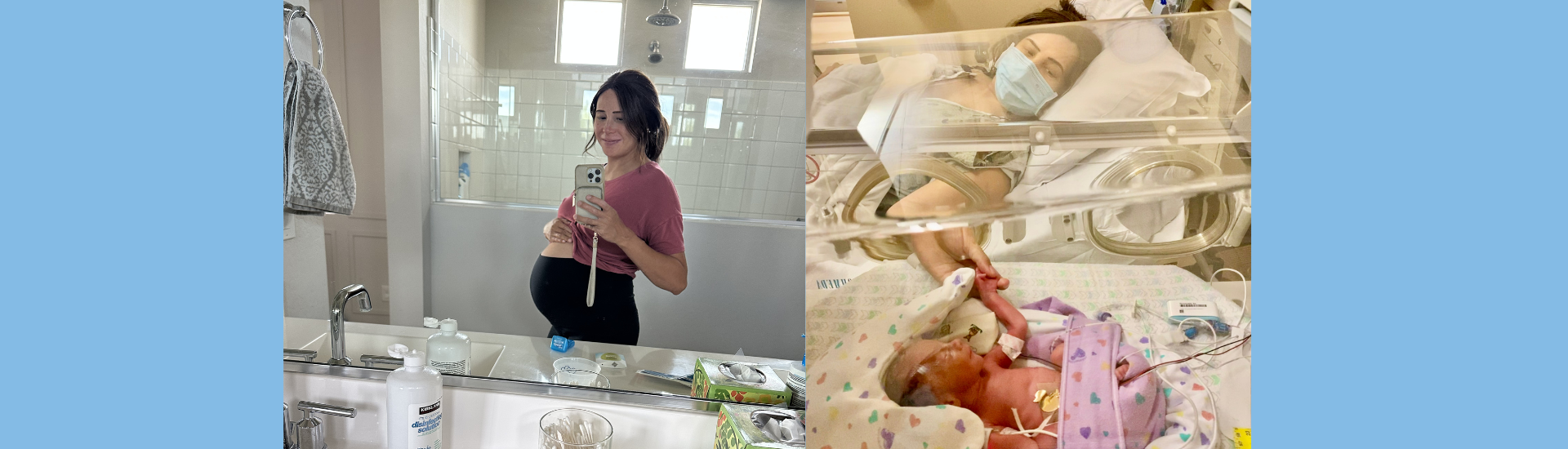
With my first pregnancy, it was severe, and I delivered at 27 weeks. I went in for a routine OB visit where my blood pressure was elevated in the 140/90s, which I initially attributed to white coat hypertension. I had also mentioned to my OB that I had been experiencing increasing swelling over the past week. Given the elevated blood pressure and swelling, she ordered labs.
The next day, while I was at work, I missed a call from her. The voicemail was urgent—I needed to go to the hospital immediately. I was admitted to the antepartum unit and started on magnesium. For a couple of days, things seemed to improve, but then my condition worsened. When my blood pressure suddenly spiked to 200/100, I required an emergency C-section.
My son spent 75 days in the NICU. He is now 5 years old and thriving—an incredible, resilient ex-preemie.
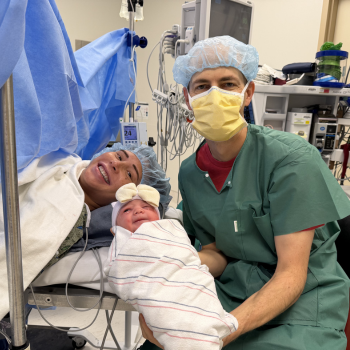
With my second and third pregnancies, I experienced postpartum preeclampsia. After my first experience, we knew there was a significant risk of recurrence, and deciding to have more children was not simple. We worked closely with my OB and maternal-fetal medicine team for careful monitoring. Aside from my history of preeclampsia, my only other notable risk factor was IVF.
We spontaneously conceived our third child and allowed ourselves to hope that perhaps this time would be different—that I might avoid preeclampsia. Unfortunately, that was not the case. Although I was started on blood pressure medication prior to discharge, my blood pressure continued to rise, and I required readmission. With each episode, I remained on medication for several weeks before my blood pressure and labs finally normalized.
Because of my history, I now follow with a cardiologist annually. Preeclampsia is not just a pregnancy complication—it is also a marker for increased long-term cardiovascular risk. I have made a conscious effort to address as many modifiable risk factors as possible, focusing on blood pressure control, nutrition, physical activity, and overall heart health.
Experiencing preeclampsia multiple times has profoundly shaped how I think about pregnancy and family planning. The decision to have more children after preeclampsia is deeply personal and often difficult—one that involves weighing hope against real risks, and desire against uncertainty. It’s not a choice made lightly, and for many, including myself, it carries both courage and complexity.
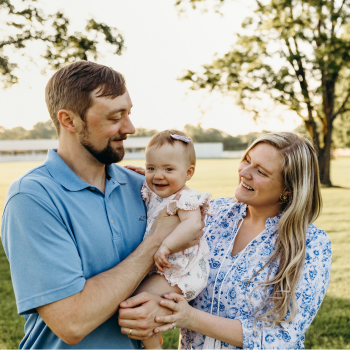
This is my preeclampsia story. And it is a hard one. But it is mine.
ReadMore
- Maneesha’s Loss June 04, 2026
- Preeclampsia Post Dates June 04, 2026
- Brushed off as normal June 04, 2026
- 43 Days In the Hospital June 04, 2026
- Advocate For Yourself June 04, 2026
- Preeclampsia Awareness June 04, 2026
- Early Christmas For Us! June 04, 2026
- Preeclampsia Awareness June 04, 2026
- Every Thing Speaks To Me June 04, 2026
- Preeclampsia and Ptsd June 04, 2026