
What They Missed
April 04, 2026 By Madison Genovese
We tried for children for several years before starting IVF. I underwent excision surgery for Stage IV endometriosis (for the second time) prior to transferring a PGT-A tested day 5 embryo a few months later. I was fortunate to become pregnant from our first transfer. We pursued a modified natural transfer to maintain a corpus luteum, as I was concerned about preeclampsia risk.
My baseline blood pressure throughout the first and second trimesters was low, averaging around 90/60. Pre-pregnancy weight was 127 lbs.
By approximately 30 weeks, I had gained 40 lbs. Around this time, labs showed downward-trending platelets, and I was diagnosed with gestational thrombocytopenia. In my third trimester, I developed severe hand swelling to the point that I could not make a fist, type, or perform basic tasks. I was diagnosed with carpal tunnel, I had never had symptoms like this prior to pregnancy. By 36 weeks, I was significantly impaired and had to stop working.
During this same period, I continued to gain weight despite minimal food intake and experienced full-body pain and exhaustion. My blood pressure rose to approximately 135/86 during routine OB visits — a significant increase from my baseline — which I flagged as concerning, but this was not escalated.
Between weeks 38–40, I gained an additional ~15 lbs rapidly. I repeatedly raised concerns about severe swelling, rapid weight gain, pain, exhaustion, and rising blood pressure. My OB did not express concern and instead referred me to MFM for thrombocytopenia management. My induction was scheduled for 40 weeks.
At no point during my pregnancy was urine protein assessed.
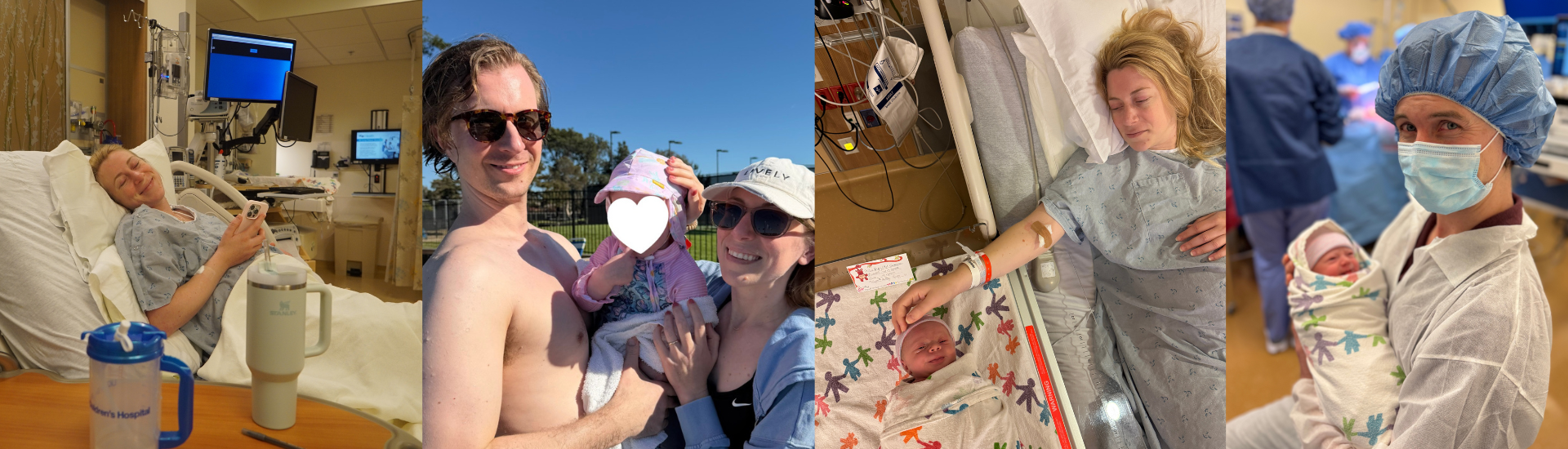
At 40 weeks, I was induced and labored for over 40 hours without progression. I experienced severe back labor not controlled by epidural, and I had not slept, eaten, or drank. I was also denied IV fluids due to a reported shortage.
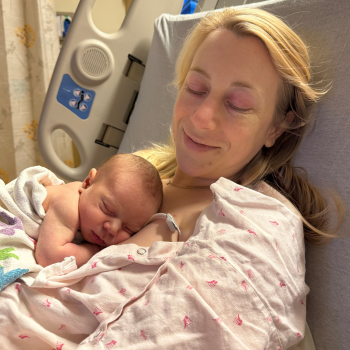
I ultimately requested a c-section due to exhaustion and lack of progress. During the procedure, my epidural failed and I required general anesthesia. My daughter was born healthy.
Per my records (which are unclear), I was diagnosed with severe intrapartum preeclampsia.
During the c-section, I experienced a hemorrhage (estimated blood loss not clearly communicated to me in real time) and required a blood transfusion. This was not disclosed to me at the time — I was only told my platelets were low.
Postoperatively, I woke up on a magnesium drip with severe swelling and was unable to walk. I was not clearly informed that I had preeclampsia.
I was discharged after 6 days. Two days later, I returned to the ER with severe postpartum preeclampsia. My blood pressure was significantly elevated (162/120), and I required readmission, another magnesium drip, and initiation of two antihypertensive medications.
At discharge, my blood pressure remained elevated (~135/90) and I required ongoing treatment with antihypertensive medications for approximately 6 months postpartum.
Now, 17 months postpartum, my blood pressure has normalized and I have returned to a healthy baseline weight.
While I am grateful to be alive and that my daughter was unaffected, I feel that multiple warning signs were present and not addressed appropriately, particularly the combination of rapid weight gain, severe edema, rising blood pressure from a low baseline, and declining platelets without urine protein assessment or escalation. This has left me with significant concern about the management of a future pregnancy, and I am currently uncertain whether I would pursue another.
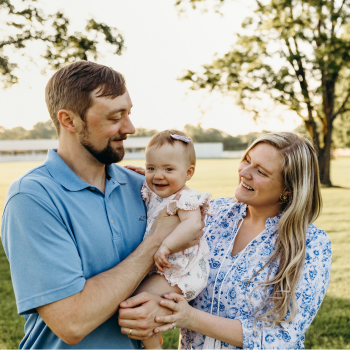
This is my preeclampsia story. And it is a hard one. But it is mine.
ReadMore
- My Doctor Told Me She Didn’t Think I Would Make It… July 11, 2026
- 35 Weeks July 11, 2026
- Somers Story July 11, 2026
- River's Story July 11, 2026
- Our Hellp Syndrome Story: Advocating For Two July 03, 2026
- L&D Nurse: Wrong Side Of the Bed Rails July 03, 2026
- Early Baby July 03, 2026
- Hellp Us! July 03, 2026
- Amazing Team Of People July 02, 2026
- Nobody Told Me How Sick I Was June 20, 2026